

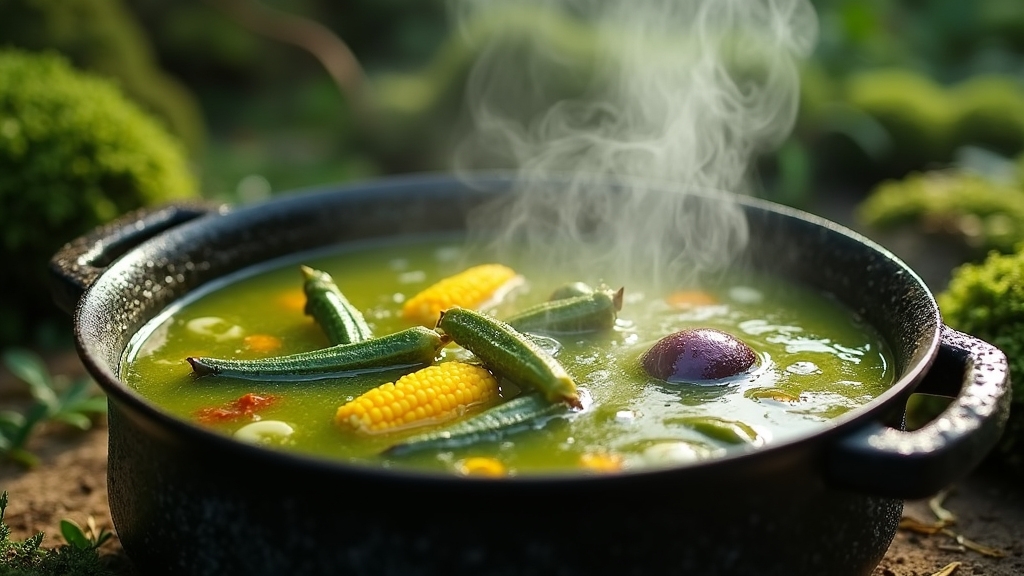
Swamp soup is a delicious, hearty dish that I love to make with foraged ingredients and fresh vegetables. Start by chopping vibrant greens and simmering them with herbs for flavor. Then, add your favorite protein, like chicken or chickpeas, for a complete meal. Blend it all for a creamy texture or leave it chunky, depending on your preference. It’s a comforting recipe that celebrates tradition, and you’ll find plenty more tips and details if you stick around!
Contents
History
When I think about the history of Swamp Soup, I can’t help but feel a sense of nostalgia for those simpler times. This dish, with its deep cultural significance, has roots in various regions, each adding its unique twist. From the bayous of Louisiana to the marshlands of the Midwest, Swamp Soup reflects the local ingredients and traditions, creating delightful regional variations. I love how families have passed down recipes through generations, adapting them along the way. It’s more than just a meal; it’s a way to connect with our heritage. Preparing Swamp Soup invites innovation while honoring the past, allowing us to explore flavors that celebrate both the history and the communities that cherish this comforting dish.
Recipe
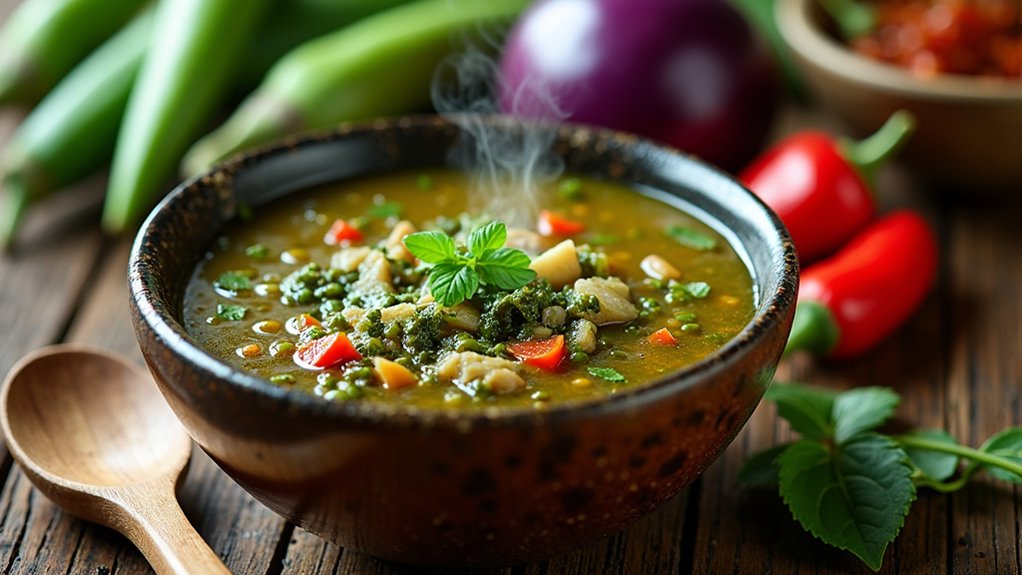
Swamp Soup is a hearty and flavorful dish that brings together a medley of ingredients reminiscent of a lush, vibrant ecosystem. This rustic recipe is perfect for those looking to warm up on a chilly evening or to enjoy a unique and wholesome meal. With a combination of vegetables, proteins, and rich broth, Swamp Soup is not only nourishing but also adaptable to your taste preferences or dietary needs.
Swamp Soup offers a hearty blend of ingredients, perfect for warming up on chilly evenings with its wholesome and adaptable flavors.
To prepare this delightful soup, you can use a variety of ingredients based on what you have on hand or what’s in season. The key to achieving the perfect balance of flavors lies in the slow cooking process, which allows the ingredients to meld together beautifully. Whether you prefer it vegetarian or packed with meat, Swamp Soup can be customized to suit anyone’s palate.
Ingredients:
- 1 tablespoon olive oil
- 1 onion, diced
- 2 cloves garlic, minced
- 2 carrots, sliced
- 2 celery stalks, diced
- 1 bell pepper, chopped
- 1 zucchini, diced
- 1 cup green beans, trimmed and cut into pieces
- 1 can (14.5 oz) diced tomatoes, undrained
- 4 cups vegetable or chicken broth
- 1 cup cooked beans (such as kidney or black beans)
- 1 teaspoon dried thyme
- 1 teaspoon dried oregano
- Salt and pepper to taste
- Fresh parsley for garnish
In a large pot, heat the olive oil over medium heat. Add the diced onion and minced garlic, sautéing until the onion becomes translucent. Next, stir in the carrots, celery, and bell pepper; cook for about 5 minutes until they begin to soften. Then, add the zucchini, green beans, diced tomatoes, broth, cooked beans, thyme, and oregano. Bring the mixture to a boil, then reduce the heat to low and let it simmer for about 30-40 minutes, allowing the flavors to develop and the vegetables to become tender. Season with salt and pepper to taste before serving.
When making Swamp Soup, feel free to experiment with different vegetables or proteins based on what you enjoy or have available. You can also make it heartier by adding grains like rice or quinoa. For a creamier texture, consider blending a portion of the soup before serving. Finally, don’t forget to garnish with fresh parsley for a pop of color and added flavor!
Cooking Steps
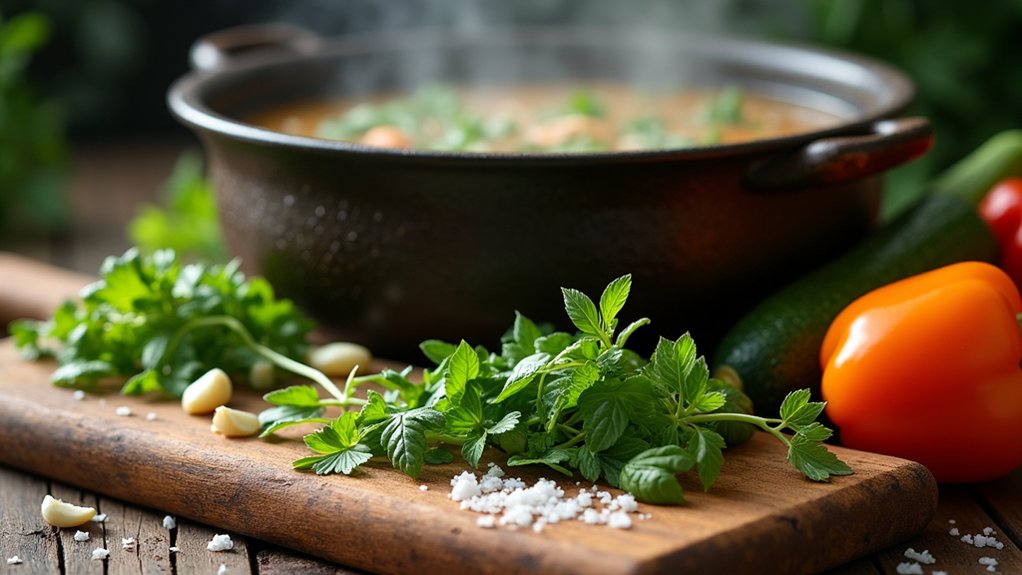
Now that we’ve gathered our fresh swamp ingredients, let’s get cooking! I’ll guide you through each step, from chopping those wild greens thoroughly to simmering everything with delicious herbal seasonings. Once we add our protein source and blend it all until smooth, we’ll have a tasty soup that’s perfect for sharing!
Step 1. Gather Fresh Swamp Ingredients
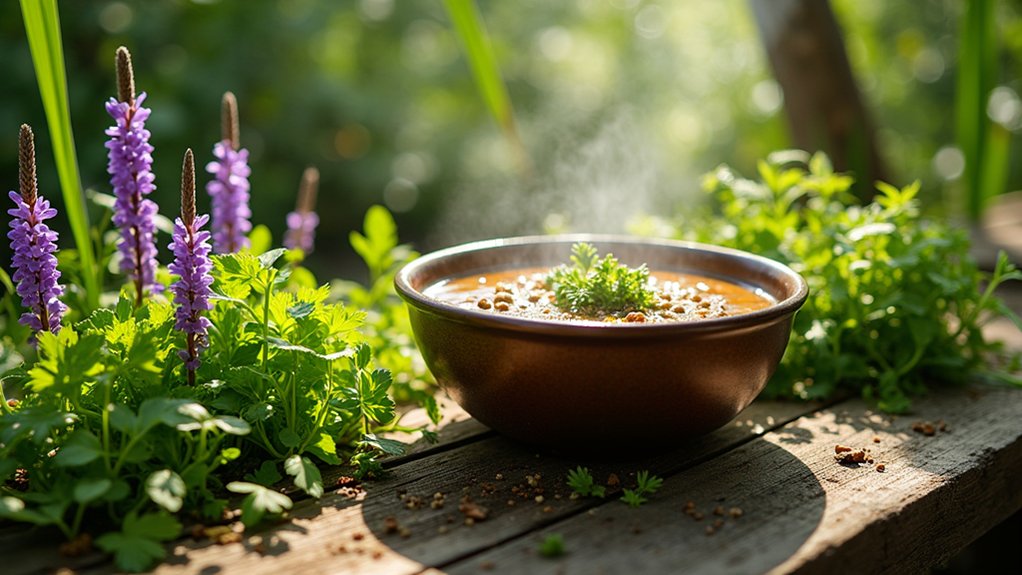
As you plunge into the world of swamp soup, gathering fresh ingredients is an essential first step that can really elevate your dish. I love using wild foraging techniques to discover the unique flavors hiding in the swamp. Look for vibrant watercress, tender cattail shoots, and even juicy wild mushrooms. Each ingredient not only adds freshness but also reflects the swamp ecosystem benefits, like promoting biodiversity and supporting local wildlife. As you wander, pay attention to the sounds of nature, and let your senses guide you to new discoveries. Remember, foraging isn’t just about collecting; it’s about connecting with the environment. So, grab your basket and embrace the adventure—let’s turn these treasures into a delicious swamp soup!
Step 2. Chop Wild Greens Thoroughly
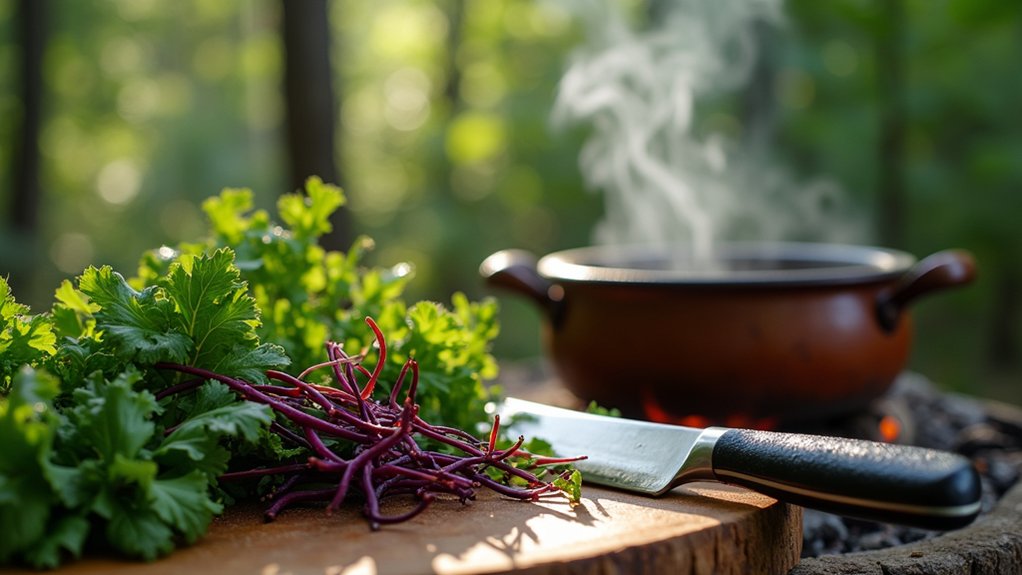
After gathering those fresh swamp ingredients, it’s time to get to the fun part: chopping those wild greens thoroughly. I love the thrill of wild foraging, discovering unique flavors that nature offers. As I chop, I think about the green benefits these plants bring, not just to my soup but to my health too. Aim for bite-sized pieces; this helps release their flavors and guarantees even cooking. Don’t shy away from mixing different greens; it adds depth to your dish and sparks creativity. Plus, the vibrant colors brighten up your kitchen. Remember, the more you chop, the more you savor those earthy, fresh tastes. So, grab your knife, and let’s transform those greens into something unforgettable!
Step 3. Simmer With Herbal Seasonings
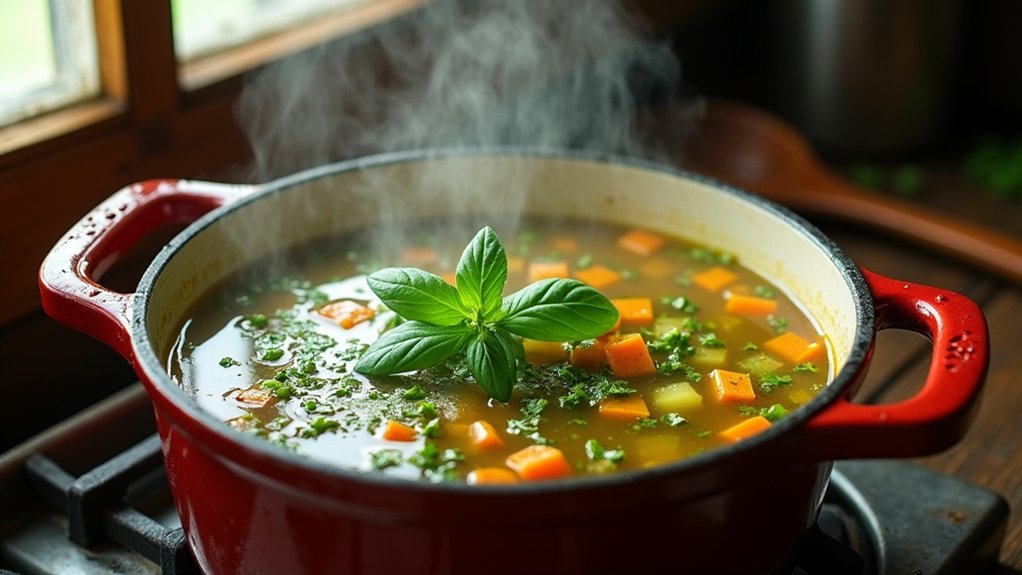
The heart of any great swamp soup lies in the simmering process, where flavors meld and deepen. As I bring my concoction to a gentle boil, I embrace various seasoning techniques that elevate the dish. I love incorporating fresh herbs like thyme and basil, known for their herbal benefits. They not only add a burst of flavor but also infuse the soup with nutrients. By lowering the heat, I let the soup simmer for at least 30 minutes, allowing the herbs to release their essential oils, creating a fragrant aroma that fills my kitchen. It’s during this time that everything transforms—each ingredient dances together harmoniously, evoking warm memories of family gatherings. Trust me, you’ll savor each spoonful!
Step 4. Add Protein Source
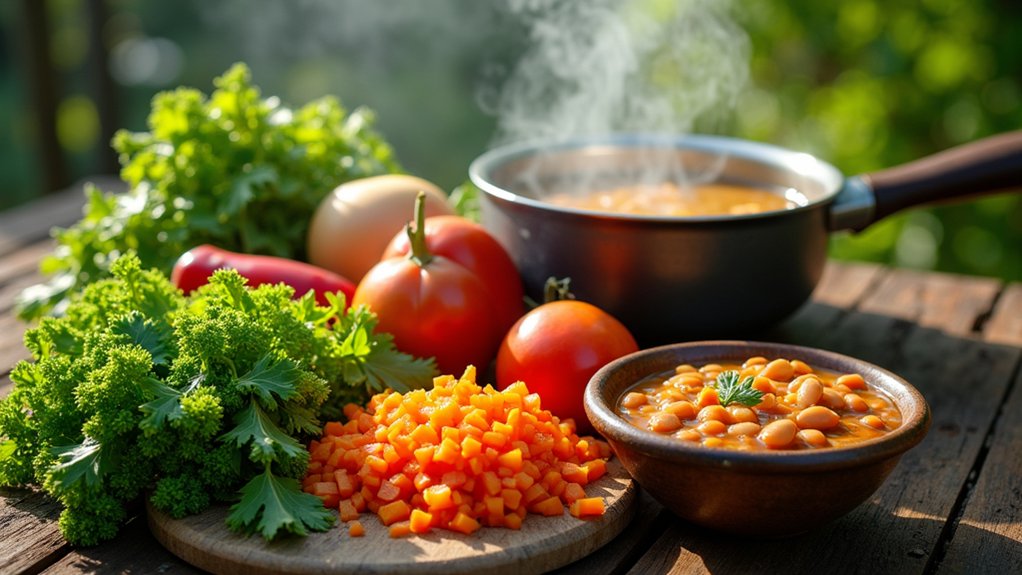
Adding a protein source to your swamp soup not only boosts its heartiness but also makes it a complete meal. I love experimenting with various protein options to keep things exciting. You could toss in shredded rotisserie chicken or diced turkey for a meaty kick. If you’re looking for meat alternatives, chickpeas or lentils work wonders, adding both texture and nutrition. Tofu is another fantastic option—just cube it up and let it soak in those delicious flavors. Depending on your mood, I sometimes add a handful of edamame for a fun twist. Whatever you choose, make sure to stir it in during the simmering stage, allowing all those amazing flavors to meld together. Happy cooking!
Step 5. Blend Until Smooth
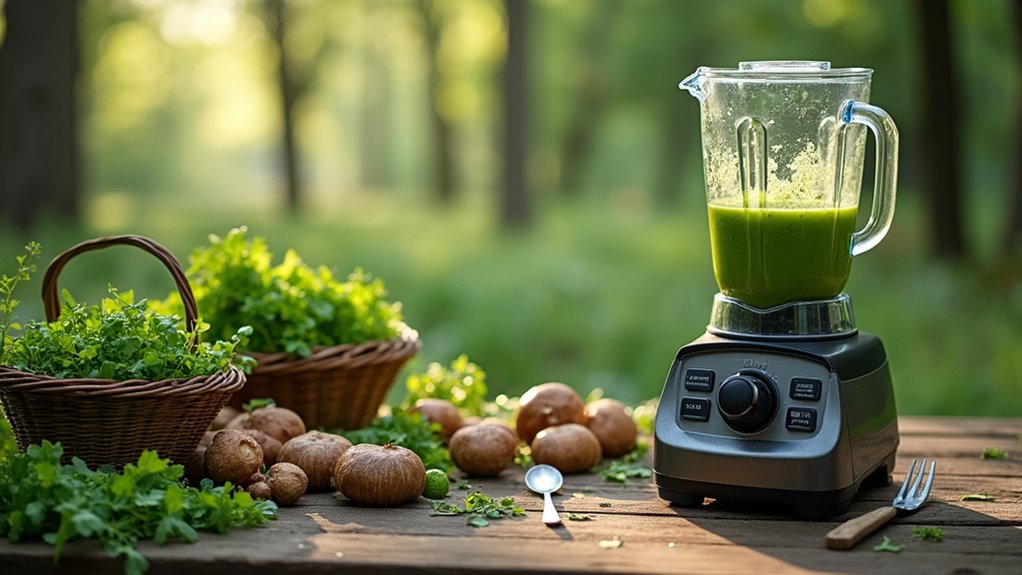
Let’s plunge into the fun part—blending everything until it’s smooth and creamy! This step is where your swamp soup transforms into a delightful concoction, and I can’t wait for you to experience it. Using different blending techniques can create unique texture variations, so feel free to experiment. Here’s how I do it:
- Start with the softest ingredients first to guarantee they blend easily.
- Pulse the blender initially, then switch to a steady blend for a creamier finish.
- If you prefer a chunkier soup, blend just until combined!
Nutritional Guide
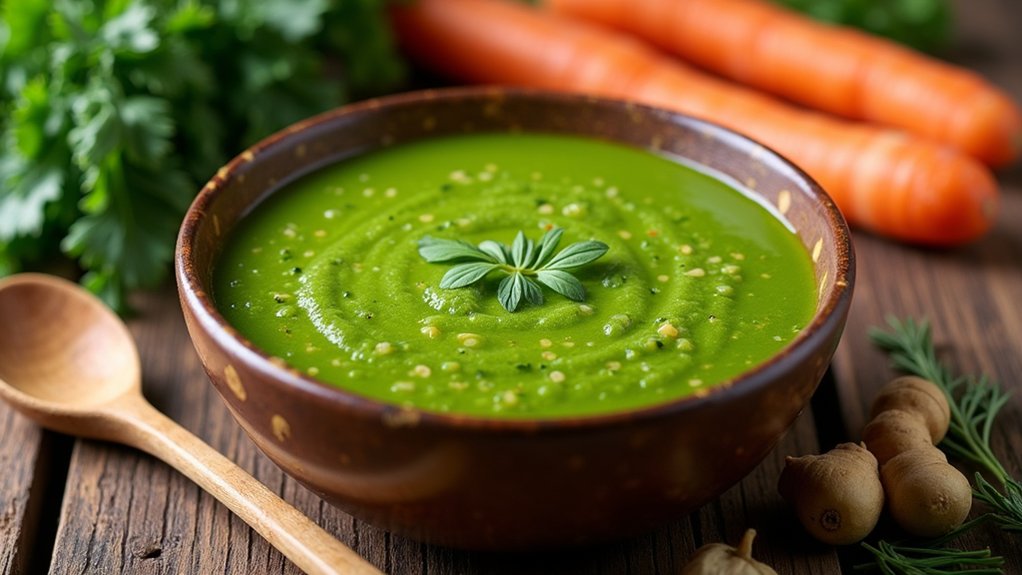
When it comes to making Swamp Soup, you might be surprised to learn just how nutritious this dish can be. Each ingredient packs a punch regarding nutritional benefits. Here’s a quick ingredient analysis that highlights the goodness you’ll be stirring into your pot:
| Ingredient | Nutritional Benefit | Amount per Serving |
|---|---|---|
| Spinach | High in iron and vitamins | 1 cup |
| Carrots | Rich in beta-carotene | 1 medium |
| Beans | Great source of protein | ½ cup |
| Garlic | Boosts immune function | 1 clove |
| Quinoa | Complete protein source | ½ cup cooked |
With these ingredients, you’re not just cooking; you’re crafting a meal that nourishes both body and soul!
Final Thoughts
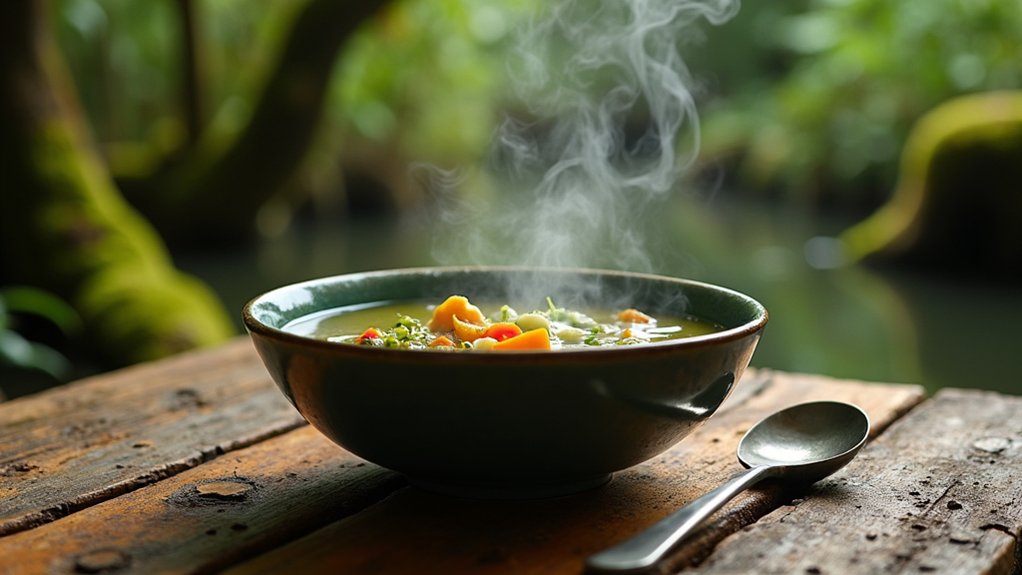
Swamp Soup isn’t just a quick meal; it’s a delightful way to bring nourishment and comfort to the table. This recipe celebrates culinary traditions while embracing sustainability practices, making it a perfect choice for innovative cooks. As you whip up this dish, you’ll not only enjoy the flavors but also connect with a broader food philosophy.
Here are a few final thoughts to contemplate:
- Experiment with local ingredients to enhance freshness.
- Share the soup with friends and family to create lasting memories.
- Reflect on how this dish honors the past while looking to the future.
Frequently Asked Questions
Can I Use Frozen Vegetables in Swamp Soup?
Absolutely, I use frozen peas in my soups all the time! They maintain great vegetable texture and add a pop of flavor. Just toss them in towards the end for the best results. Give it a try!
What Can I Substitute for Broth in This Recipe?
When cooking’s a dance of flavors, I often swap broth with vegetable juice or water infused with herbs. These broth alternatives become flavor enhancements, breathing new life into my dish and sparking creativity in every spoonful.
How Long Does Swamp Soup Last in the Fridge?
It lasts about 3 to 5 days in the fridge. I recommend storing it in an airtight container to maximize its shelf life. Always check for freshness before enjoying those innovative flavors again!
Is Swamp Soup Suitable for Vegetarians?
Yes, swamp soup can be suitable for vegetarians! I love experimenting with vegetarian ingredients, creating unique soup variations. Just swap out the meat for hearty veggies, and you’ll have a delicious, innovative dish everyone can enjoy.
Can I Freeze Leftovers of Swamp Soup?
Absolutely, I freeze my leftovers all the time! Using smart freezing techniques guarantees they stay fresh. Just store them in airtight containers for peak leftover storage. You’ll savor that deliciousness again without missing a beat.
Conclusion
To summarize, making swamp soup is like diving into a warm embrace of flavors that can transport you straight to your favorite memories. It’s a simple yet delightful dish that brings people together, whether you’re enjoying it on a chilly evening or sharing it at a family gathering. So, grab your ingredients and let the magic happen in your kitchen! Trust me, the taste is worth every bit of effort you put in. Happy cooking!