
If you’re craving a warm, comforting dish, squash soup is perfect for chilly days! Start by preparing and cubing your squash, then sauté some onions and garlic in olive oil. Blend in the cooked squash, add broth, and season to taste with salt and pepper—or get creative with spices like nutmeg. This soup is rich in nutrients and feels like a warm hug in a bowl. Let’s cook together and discover more delicious tips along the way!
Contents
History


When I think about the history of squash soup, it feels like a warm hug from the past. The origins of squash date back thousands of years, with Indigenous cultures in the Americas cultivating this versatile vegetable long before European settlers arrived. It’s fascinating to see how squash became a staple in various culinary traditions, blending seamlessly into hearty soups. As I explore these roots, I can’t help but feel a connection to those who’ve shared this delicious dish through generations. Each bowl of squash soup tells a story, combining flavors and techniques from different cultures. So, when I whip up a pot, I’m not just cooking; I’m participating in a rich tapestry of history and innovation that continues to evolve today.
Recipe
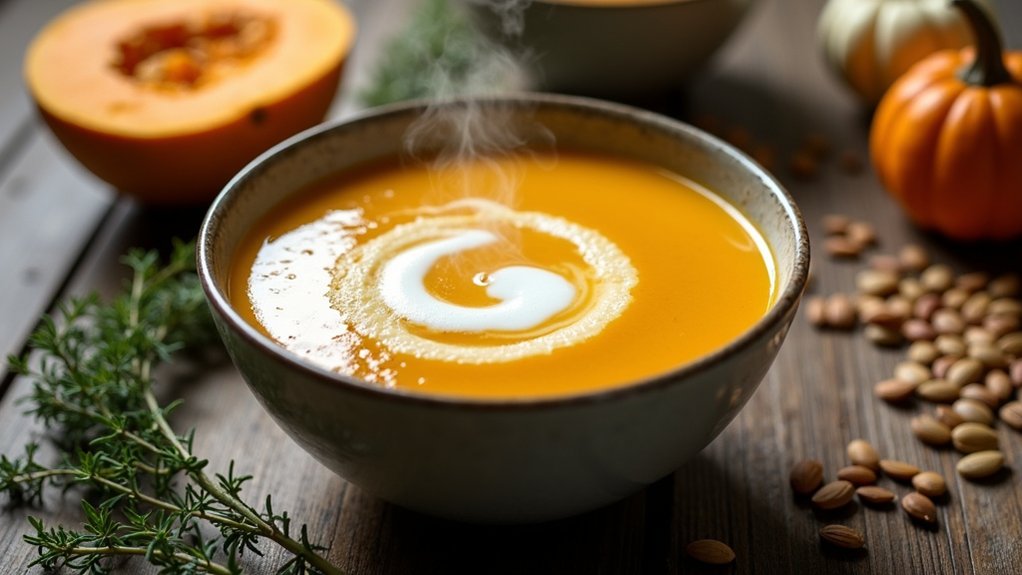
Squash soup is a delightful and comforting dish that captures the essence of autumn. Its creamy texture and warm flavors make it a perfect choice for chilly days. This soup is not only delicious but also packed with nutritious ingredients, making it a wholesome meal. You can use various types of squash, such as butternut or acorn squash, to create different flavor profiles, and it’s an excellent way to incorporate seasonal produce into your diet.
Making squash soup is a straightforward process that can be enjoyed by cooks of all skill levels. With just a few simple steps, you can transform fresh squash into a velvety soup that’s perfect for lunch, dinner, or even as an appetizer at a gathering. Pair it with crusty bread or a fresh salad for a complete meal. Follow the recipe below to create your own comforting bowl of squash soup.
Ingredients:
- 2 medium butternut squashes, peeled and diced
- 1 onion, chopped
- 2 cloves garlic, minced
- 4 cups vegetable or chicken broth
- 1 cup coconut milk or heavy cream
- 2 tablespoons olive oil
- 1 teaspoon ground cumin
- Salt and pepper to taste
- Fresh herbs (like thyme or parsley) for garnish
To make the soup, start by heating the olive oil in a large pot over medium heat. Add the chopped onion and garlic, sautéing until they become soft and fragrant. Next, add the diced squash and ground cumin, stirring to combine. Pour in the broth and bring the mixture to a boil. Once boiling, reduce the heat and let it simmer for about 20-25 minutes or until the squash is tender. Remove from heat and use an immersion blender to puree the soup until smooth. Stir in the coconut milk or heavy cream, and season with salt and pepper to taste. Serve warm, garnished with fresh herbs.
When preparing squash soup, remember that the type of squash you choose can greatly influence the overall flavor of the dish. Roasting the squash before adding it to the soup can enhance its sweetness and depth. Additionally, feel free to experiment with spices; a pinch of nutmeg or a dash of cayenne pepper can add an exciting twist. Be sure to taste and adjust the seasoning as needed, and consider topping the soup with toasted pumpkin seeds for added texture. Enjoy your homemade squash soup!
Cooking Steps

Now that we’ve gathered our ingredients, let’s jump into the cooking steps! First, I’ll show you how to prepare the squash and chop it into cubes, which is a fun and satisfying task. Then, we’ll sauté some onions and garlic to bring out those amazing flavors before blending everything into a smooth, delicious soup.
Step 1. Prepare Squash for Cooking
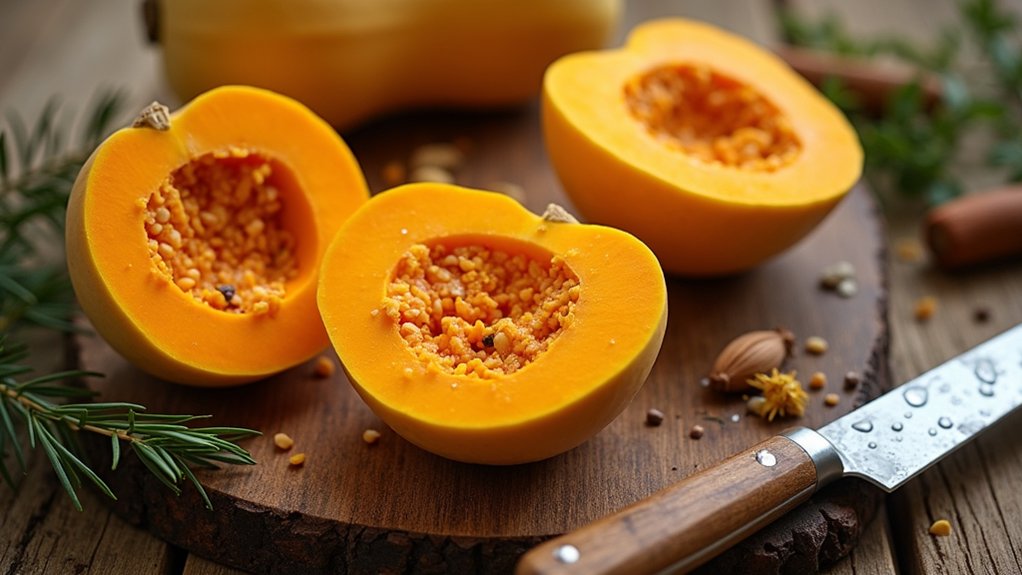
Preparing squash for cooking is a straightforward process that can be quite enjoyable. First, I love exploring the different squash varieties available, like butternut, acorn, and spaghetti squash. Each type brings its own unique flavor and texture to the table. Before I start cooking, I always wash the squash thoroughly to remove any dirt. Depending on the cooking techniques I plan to use, I might choose to peel the squash or leave the skin on for added nutrients and a rustic touch. If I’m roasting, I often slice it in half and scoop out the seeds. This preparation sets the stage for a delicious squash soup that warms the soul and invites creativity in the kitchen. Let’s get started!
Step 2. Chop Squash Into Cubes

Grab your sharpest knife and let’s plunge into chopping the squash into cubes! First, place your squash on a sturdy cutting board. Using your knife, slice it in half lengthwise, which opens up the vibrant flesh inside. Next, scoop out those seeds with a spoon; don’t worry, we won’t let them go to waste! Now, it’s time to get innovative with your chopping techniques. Cut each half into manageable sections, then slice those sections into strips. Finally, rotate the strips and chop them into delightful cubes. This method not only guarantees uniformity but also maximizes flavor absorption when we cook. With your squash prepped, you’re one step closer to a delicious soup that’ll warm your soul!
Step 3. Sauté Onions and Garlic

As we dive deeper into our squash soup adventure, let’s turn our attention to sautéing onions and garlic, which will lay a flavorful foundation for our dish. I like to heat a splash of olive oil in a heavy-bottomed pot over medium heat, using effective sauté techniques to coax out the natural sweetness of the onions. As they start to soften, I toss in minced garlic, letting the aroma fill my kitchen like a warm hug. This step is all about flavor enhancement—those caramelized bits stick to your taste buds and elevate the soup to new heights. Stir them gently for about five minutes, ensuring they don’t burn, and soon, you’ll have a savory base that’s irresistible. Happy cooking!
Step 4. Blend Ingredients Until Smooth

Once your sautéed onions and garlic have reached that perfect golden hue, it’s time to bring everything together by blending the ingredients until smooth. I love using an immersion blender for this step because it allows me to control the texture easily. Carefully pour in your roasted squash and broth mixture, then blend away. The goal is a velvety smooth texture that feels luxurious in every spoonful. If you’re looking for an innovative twist, you might experiment with blending techniques—try pulsing for a chunkier finish or blending continuously for a silkier soup. Remember, it’s all about personal preference! Once you’ve achieved your desired consistency, you’ll be amazed at how inviting and comforting your squash soup becomes.
Step 5. Season to Taste

Now that your soup is blended to perfection, it’s time to season it to taste. Start by adding salt and pepper, but remember, it’s all about achieving that perfect flavor balance. I like to sprinkle in a dash of nutmeg or cinnamon for a unique twist, which can really elevate the dish. Don’t be afraid to experiment with different seasoning techniques—maybe a hint of smoked paprika or a squeeze of fresh lemon juice will spark your creativity! Taste as you go, adjusting the spices gradually until it feels just right. It’s amazing how a little tweak can transform your squash soup into a masterpiece. Enjoy this process, and make it your own before sharing it with loved ones!
Nutritional Guide

When it comes to enjoying a warm bowl of squash soup, understanding its nutritional benefits makes the experience even more satisfying. This soup isn’t just delicious; it’s packed with nutrients that support a healthy lifestyle. Let’s explore some key health benefits and dietary considerations:
| Nutrient | Benefits | Dietary Considerations |
|---|---|---|
| Vitamin A | Supports vision and immune health | Great for skin health |
| Fiber | Aids digestion and keeps you full | Important for weight control |
| Potassium | Regulates blood pressure | Essential for heart health |
| Antioxidants | Fights inflammation | Supports overall wellness |
Final Thoughts

Is there anything more comforting than a steaming bowl of squash soup on a chilly day? I can’t think of one! This recipe isn’t just about the flavors; it’s an invitation to get creative in the kitchen. Don’t be afraid to explore soup variations by adding spices or experimenting with different squash types. Want to swap out an ingredient? Go ahead! Use sweet potatoes instead of butternut or coconut milk for a creamy twist. Each substitution can lead to a delightful surprise that enhances the experience. As you stir that pot, think about how this simple recipe can connect you with loved ones, creating warm memories around the table. Enjoy your culinary adventure!
Frequently Asked Questions
Can I Use Frozen Squash for This Recipe?
Yes, I can use frozen squash for this recipe! It brings delicious flavor and texture. Just remember to thaw it first; it’ll enhance the cooking methods and elevate the soup’s flavor profile beautifully.
What Are Good Toppings for Squash Soup?
I love experimenting with toppings! For squash soup, I recommend crunchy crouton options like garlic or herb-infused ones. Don’t forget to add spice variations like smoked paprika or cayenne for a delightful kick!
How Long Does Squash Soup Last in the Fridge?
Squash soup lasts about three to five days in the fridge. For ideal squash preservation and soup storage, I always use airtight containers. This way, I guarantee my soup stays fresh and delicious for longer!
Can I Make Squash Soup in a Slow Cooker?
Absolutely, I love using a slow cooker for squash soup! The slow cooker benefits allow flavors to meld beautifully, and I experiment with various squash varieties to create innovative, delicious combinations. You’ll be amazed at the results!
Is Squash Soup Suitable for Vegan Diets?
Absolutely, squash soup can be a vibrant canvas for vegan diets. I love using rich, creamy dairy alternatives like coconut milk, blending in innovative vegan ingredients to create a warm, comforting bowl that everyone enjoys.
Conclusion
So there you have it—a delicious squash soup recipe that’s sure to warm your heart and soul. Cooking can really be a piece of cake when you have the right ingredients and a bit of enthusiasm. I can’t wait for you to try it out and share it with your friends and family. Remember, great meals are best enjoyed together, so gather around the table and savor every spoonful. Happy cooking, and enjoy every moment!