
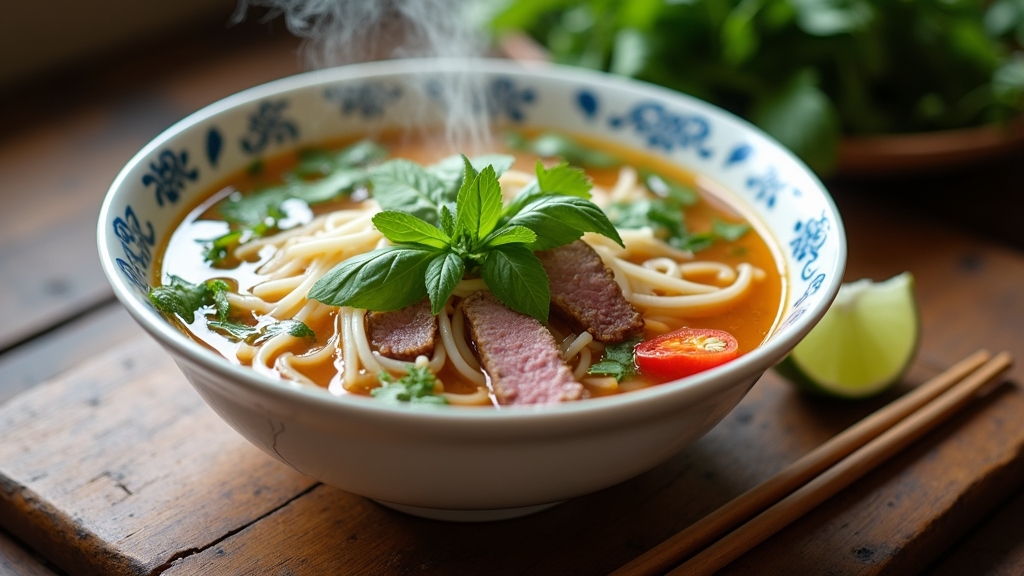
Making pho soup at home is easier than you might think! Start by roasting beef bones, onion, and ginger. Then, simmer these with spices and water for hours to create a rich broth. Cook rice noodles separately and set out fresh herbs and toppings like lime and bean sprouts for everyone to customize their bowls. It’s not just about the meal; it’s about sharing moments together. Stick around, and I’ll walk you through more tips and tricks for an unforgettable pho.
Contents
History
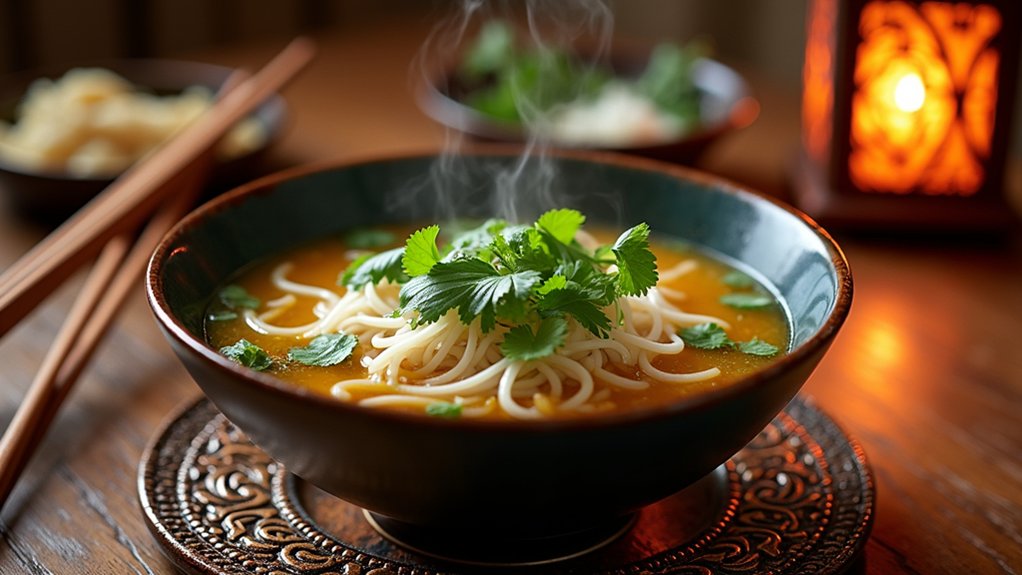
When I think about pho soup, I can’t help but appreciate its rich history that warms both the heart and the stomach. Pho’s origins trace back to the early 20th century in northern Vietnam, blending French culinary influence with traditional Vietnamese flavors. This dish reflects a vibrant tapestry of Vietnamese heritage, showcasing the resilience and creativity of the people. The fragrant broth, simmered to perfection, tells stories of street vendors and family gatherings, connecting generations through shared meals. Each bowl of pho represents more than just food; it embodies a culture that’s evolving while honoring its roots. As we explore this culinary journey, I feel excitement to innovate and share these timeless flavors with friends and family, creating new memories around the table.
Recipe
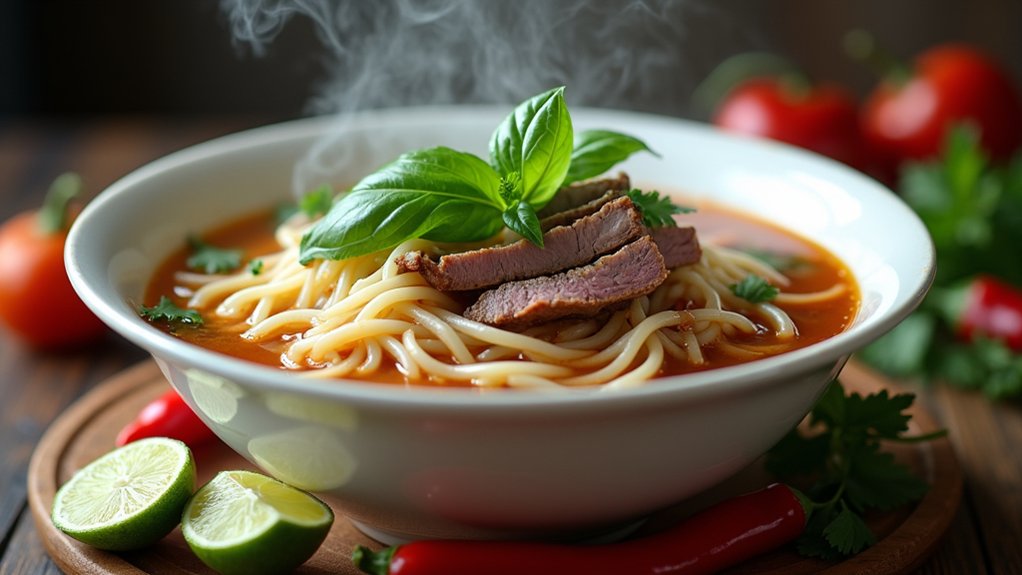
Pho soup is a delicious and aromatic Vietnamese dish that has gained popularity around the world. It is a fragrant noodle soup that typically consists of broth, rice noodles, herbs, and meat, most commonly beef or chicken. The secret to an authentic pho lies in the broth, which is often simmered for hours to develop deep flavors from a blend of spices and ingredients. Whether enjoyed as a comforting meal at home or served at a bustling street vendor, pho is a dish that warms the soul and delights the palate.
Pho soup is a fragrant Vietnamese noodle dish that warms the soul with its rich broth and delightful flavors.
To make a perfect bowl of pho, it’s essential to pay attention to the balance of flavors in the broth. The combination of spices like star anise, cloves, and cinnamon gives the soup its signature taste, while fresh herbs such as basil and cilantro enhance its aroma and freshness. This recipe will guide you through the process of creating a classic beef pho that captures the essence of this beloved dish.
Ingredients:
- 2 lbs beef bones (preferably knuckle bones and marrow bones)
- 1 lb beef brisket
- 1 onion, halved
- 1 piece ginger (about 4 inches), halved
- 5 star anise
- 4 cloves
- 1 cinnamon stick
- 1 tablespoon coriander seeds
- 1 tablespoon fish sauce
- 1 tablespoon salt
- 1 package (14 oz) rice noodles (bánh phở)
- Fresh basil leaves
- Fresh cilantro
- Lime wedges
- Sliced jalapeños or Thai chili (optional)
- Bean sprouts (optional)
Cooking Instructions:
Begin by roasting the beef bones, onion, and ginger in a 400°F oven for about 30 minutes, or until they are nicely browned. Once roasted, transfer them to a large pot and add around 4-5 quarts of water. Bring it to a boil, then reduce the heat and let it simmer. Skim off any foam that rises to the surface. Add the star anise, cloves, cinnamon stick, coriander seeds, fish sauce, and salt to the pot. Let the broth simmer for at least 6 hours, but the longer, the better for flavor. In the last hour of cooking, add the brisket to the pot. Once the broth is ready, strain it to remove the solids and keep the liquid. Cook the rice noodles according to package instructions and then assemble the bowls by placing the cooked noodles in each bowl, topping with sliced brisket, and ladling the hot broth over. Garnish with fresh basil, cilantro, lime wedges, and any additional toppings you desire.
Extra Tips:
For an even richer broth, consider adding a few more spices such as cardamom or nutmeg, but be careful not to overpower the delicate flavors. If you have time, let the broth cool and refrigerate it overnight; this will allow any fat to solidify on the surface, which you can then easily remove for a clearer soup. When serving, encourage your guests to customize their bowls with their preferred toppings and herbs for a personalized touch. Enjoy your homemade pho with a side of hoisin sauce and sriracha for added depth and heat!
Cooking Steps
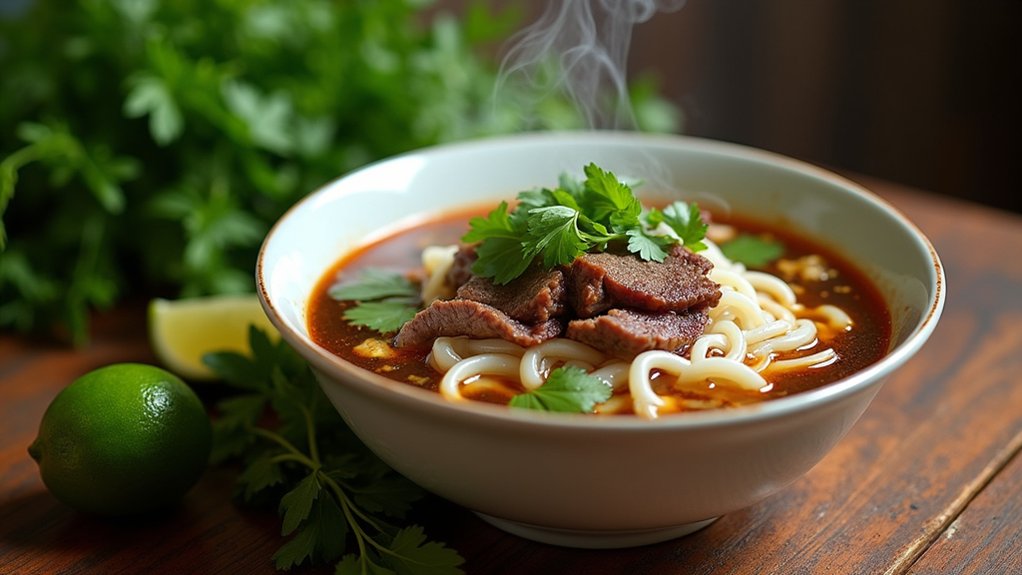
Now that we’ve gathered our ingredients, it’s time to roll up our sleeves and start cooking! First, I’ll prepare the broth ingredients, then I’ll add the aromatic spices that make this dish so special. As we simmer everything together, the flavors will come alive, and soon, we’ll be ready to enjoy a warm bowl of pho!
Step 1. Prepare Broth Ingredients First
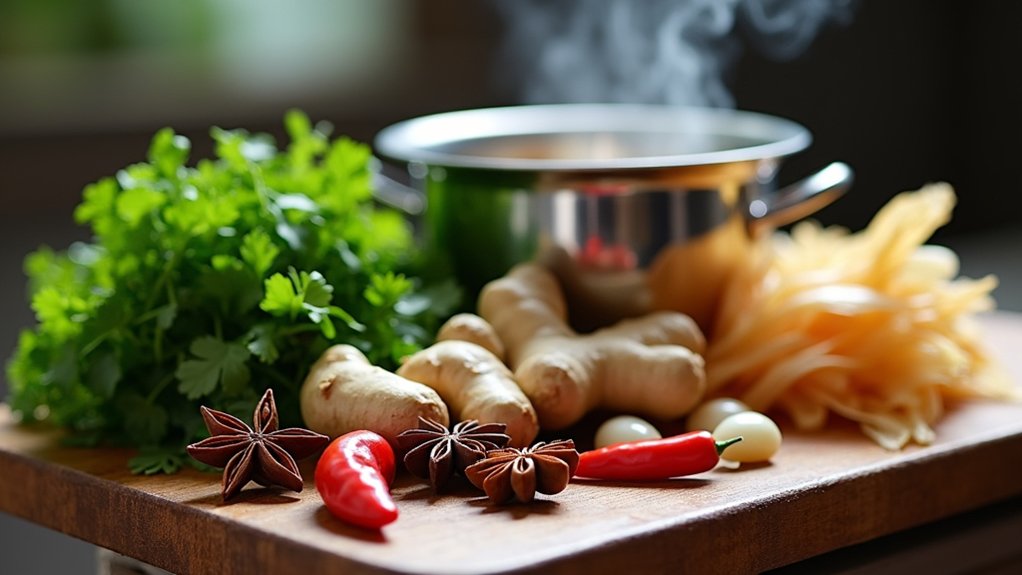
To kick off our delicious broth for the pho soup, I always start by gathering all the essential ingredients that will bring depth and flavor to the dish. Depending on the broth types I want to create, my ingredient selection might include beef bones, chicken carcasses, or even a vegetarian mix. Each choice opens a new world of flavors! I love using fresh herbs like cilantro and green onions, along with a mix of hearty vegetables, to enhance the broth. Don’t forget to choose quality ingredients; they make a noticeable difference. As I prepare, I can already imagine the comforting aroma wafting through my kitchen. It’s this initial step that lays the foundation for an unforgettable pho experience!
Step 2. Add Aromatics and Spices
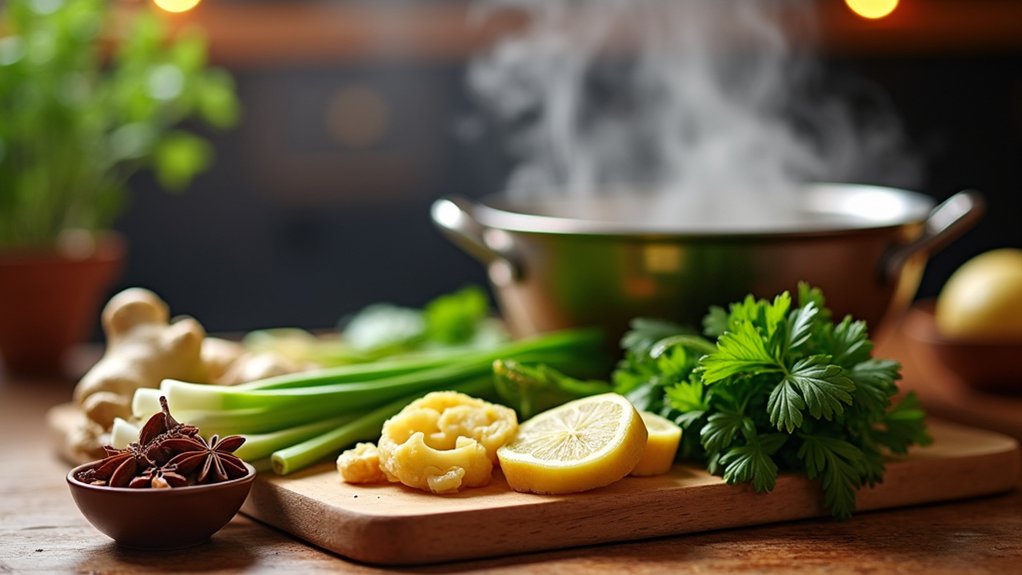
Once you’ve gathered those essential broth ingredients, adding aromatics and spices is the next exciting step that’ll elevate your pho to a whole new level. I love experimenting with aromatic blends like star anise, cinnamon, and cloves, which create a warm, inviting fragrance. Toss in some freshly sliced ginger and onion for a sweet and savory kick. For spice combinations, don’t shy away from adding a touch of coriander seeds or black pepper to deepen those flavors. As you let the broth simmer, the aromas will transport you straight to Vietnam. It’s a beautiful dance of flavors, and trust me, your kitchen will smell heavenly. Get ready to savor that comforting essence that makes pho so special!
Step 3. Add Noodles and Toppings
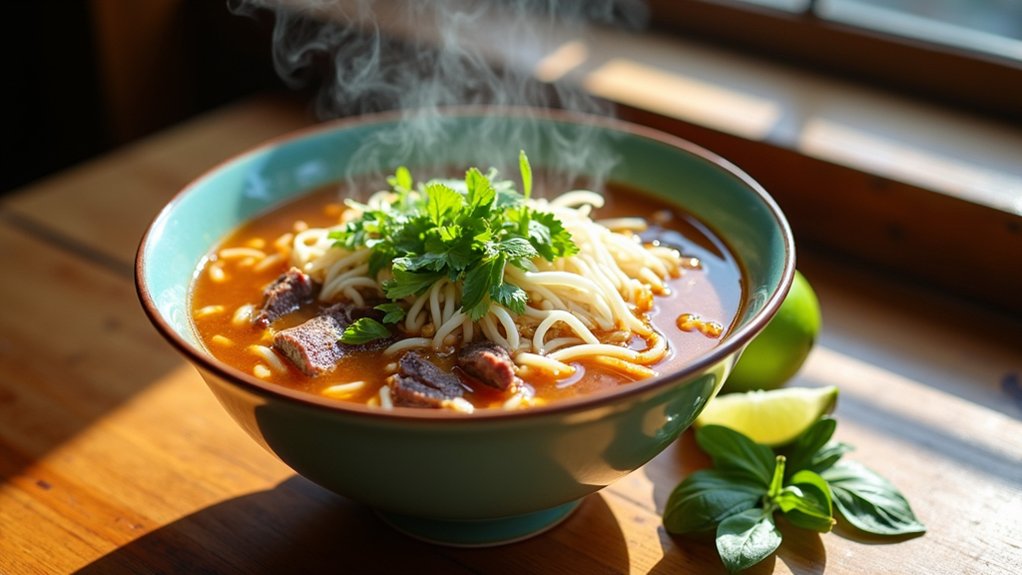
After those aromatic spices have filled your kitchen with delightful scents, it’s time to bring your pho to life with noodles and toppings. Choosing the right noodle types is essential; I love using rice noodles for that perfect texture. Let’s get creative with our toppings! Here are three options to explore:
- Fresh Herbs: Basil and cilantro add a burst of freshness.
- Proteins: Thinly sliced beef or tofu can elevate your dish.
- Crunchy Add-ons: Bean sprouts and lime wedges give a nice contrast.
Once you’ve cooked your noodles to al dente, toss them into the broth, then layer on your chosen toppings. This is where your pho becomes personal, so don’t shy away from experimenting! Enjoy the process!
Step 4. Simmer to Develop Flavors
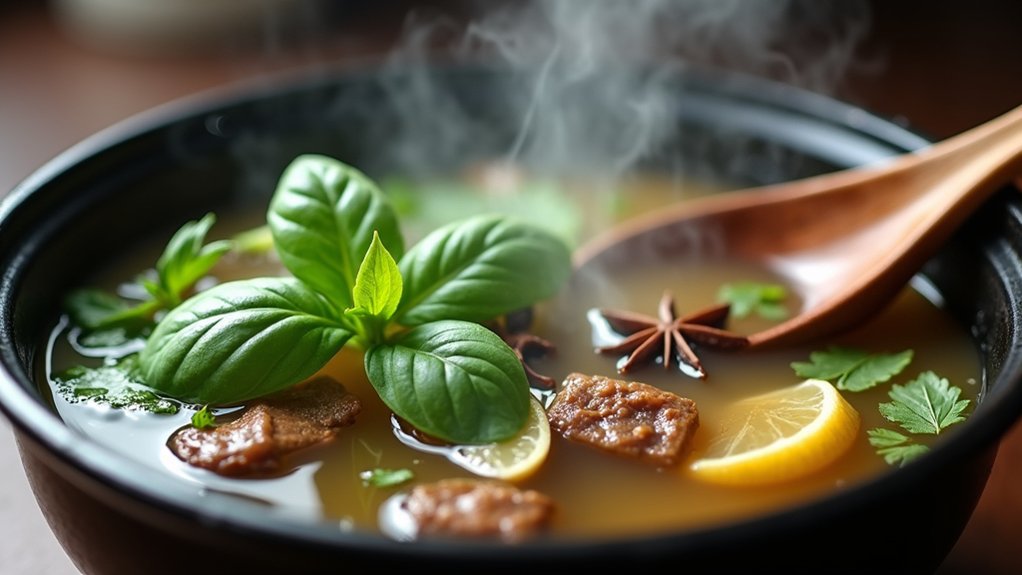
As the fragrant spices dance in the pot, it’s time to let everything simmer and develop those rich, complex flavors that make pho so irresistible. I usually set the heat to low, allowing the broth to bubble gently. This slow simmering is key; it’s one of my favorite simmer techniques for flavor enhancement. I often add a splash of fish sauce or a hint of sugar at this stage to elevate the taste even more. Just let it cook for at least 30 minutes, but feel free to go longer if you want deeper flavors. The longer it simmers, the more those spices meld together, creating a harmony that’ll have everyone asking for seconds. Enjoy the process!
Step 5. Serve With Fresh Herbs
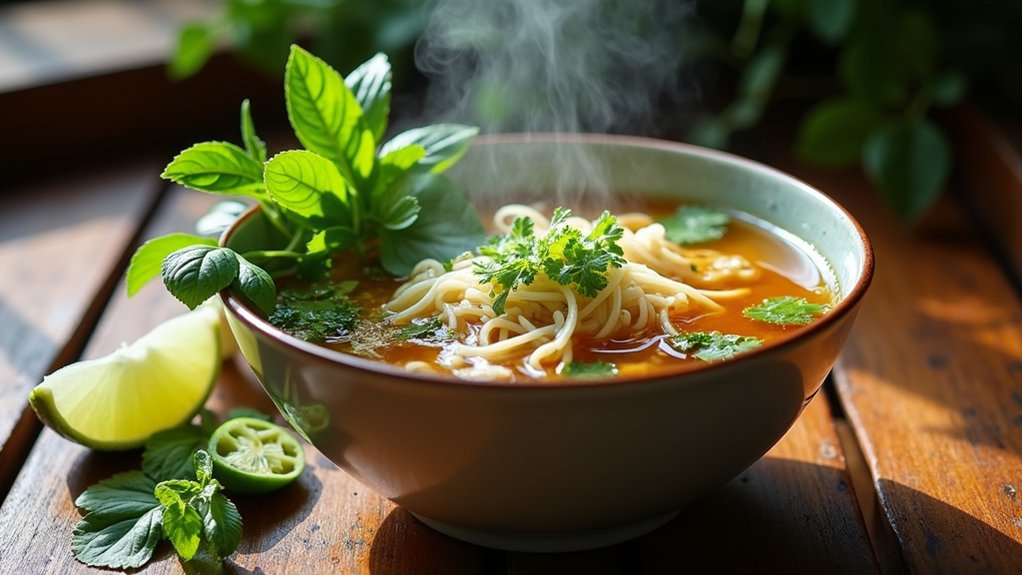
Serving pho isn’t just about the broth and noodles; it’s all about those fresh herbs that give your bowl that vibrant pop of flavor. When I prepare my pho, I always make sure to include a selection of fresh herbs for a delicious flavor enhancement. Here’s what I typically add:
- Basil – Its sweet, peppery notes brighten up the dish perfectly.
- Cilantro – A classic choice, it adds a revitalizing zest that complements the broth beautifully.
- Thai Mint – This unique herb introduces a cool, slightly spicy kick.
Don’t be shy—add as much as you like! Mixing these fresh herbs right before serving not only elevates the taste but also makes your pho visually stunning. Enjoy the burst of flavors!
Nutritional Guide
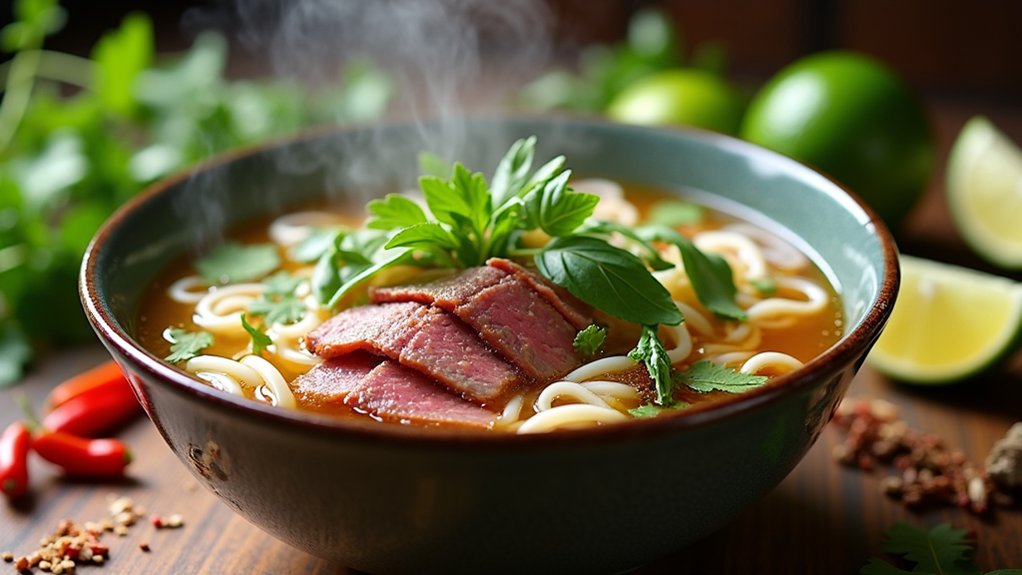
When it comes to enjoying a bowl of pho, it’s not just about the delicious flavors; it’s also about the nutritional benefits packed within each savory sip. Pho offers a great balance of calories and vitamins, making it a wholesome meal choice. Let’s break down the caloric content and vitamin benefits in a fun way!
| Ingredient | Caloric Content | Vitamin Benefits |
|---|---|---|
| Broth | ~50 calories | Vitamins A and C |
| Rice Noodles | ~200 calories | B vitamins |
| Lean Protein | ~150 calories | Protein, iron |
| Fresh Herbs | ~10 calories | Antioxidants, Vitamin K |
Final Thoughts
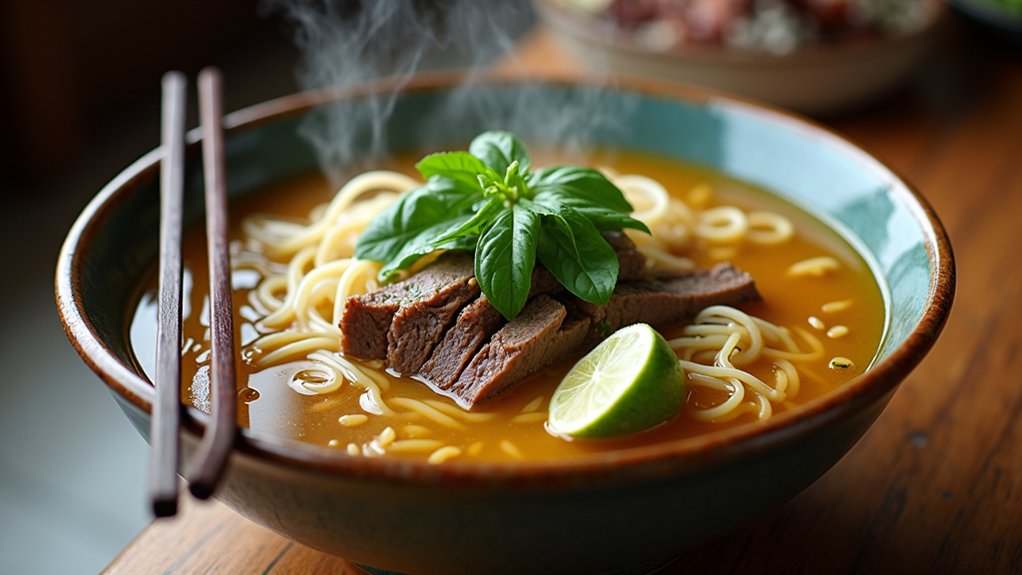
Pho isn’t just a dish; it’s an experience filled with rich aromas and comforting flavors that can transport you to a bustling street market in Vietnam. As you explore this delightful soup, you’ll discover endless possibilities for customization and creativity. Here are a few ideas to enhance your pho journey:
- Experiment with soup variations – Try chicken, beef, or even plant-based broths to find your favorite.
- Play with flavor profiles – Add different herbs, spices, or sauces to create a unique taste that reflects your personality.
- Share the joy – Invite friends and family to join you in crafting your own bowls, making it a fun, communal activity.
Frequently Asked Questions
Can I Use Chicken Instead of Beef in Pho Soup?
Absolutely, I’ve used chicken instead of beef in pho. I find chicken broth adds a lighter flavor compared to beef, offering a fresh twist. It’s a delicious alternative that keeps the essence of pho alive!
What Type of Noodles Are Best for Pho?
When I think of pho, rice noodles dance like delicate ribbons in warm broth. For pho variations, I love using flat rice noodles; they soak up flavors beautifully, creating a symphony of taste in each bowl.
How Can I Make Pho Vegetarian?
To make pho vegetarian, I use vegetable broth infused with spices like star anise and cinnamon. Adding mushrooms and tofu as vegetarian alternatives creates a rich, flavorful broth that’s satisfying and innovative. Enjoy experimenting!
What Herbs Are Traditionally Used in Pho?
In pho, I love the contrast of fresh Vietnamese basil and bright cilantro. These herbs create a vibrant harmony, elevating the dish while inviting innovation. Their unique flavors inspire me to explore new culinary horizons.
Can I Make Pho Soup in a Slow Cooker?
Absolutely, I’ve made pho in my slow cooker! The slow cooker benefits include tenderizing meat beautifully, and it reduces cooking time while enhancing flavors. You’ll love how effortlessly delicious it turns out—give it a try!
Conclusion
So, there you have it—an easy pho soup recipe that’s sure to warm your heart and fill your kitchen with incredible aromas. Imagine ladling steaming broth over fresh herbs and noodles, the flavors mingling like old friends. As you gather around the table, sharing laughter and stories, you’ll realize this isn’t just a meal; it’s a moment to cherish. I can’t wait for you to try it and savor every delightful spoonful. Happy cooking!