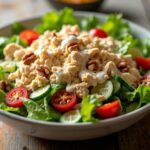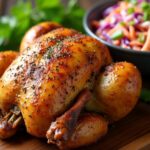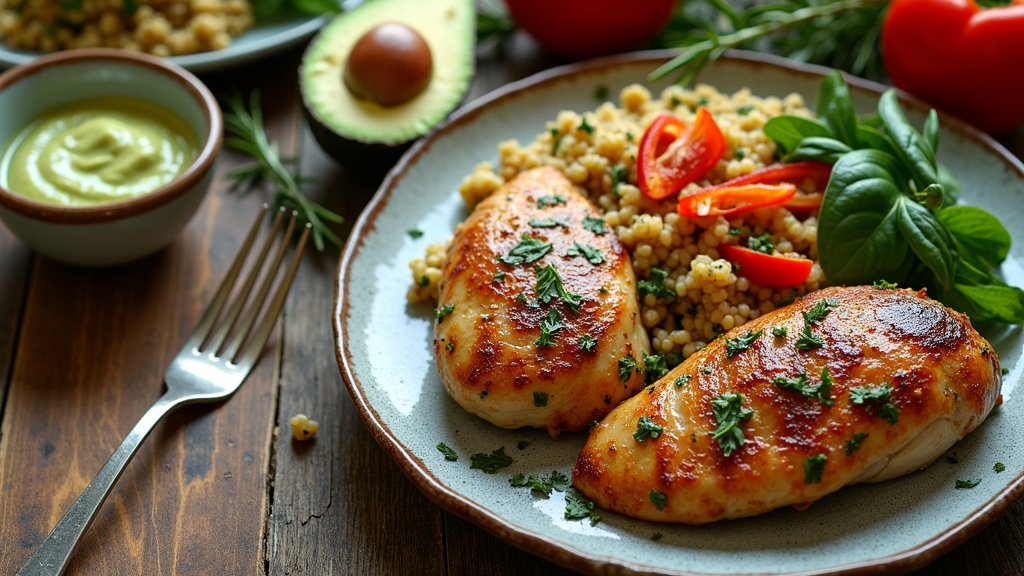
If you’re looking for healthy chicken recipes to help manage PCOS, I suggest focusing on whole foods. Recipes like Lemon Garlic Chicken are simple and packed with nutrients that support hormonal balance. You can enhance flavors by marinating the chicken and pair it with quinoa or vegetables for a complete meal. Incorporating lean proteins like chicken in your diet can stabilize blood sugar levels. There’s much more to explore about the benefits of nutrition for PCOS management!
Contents
History

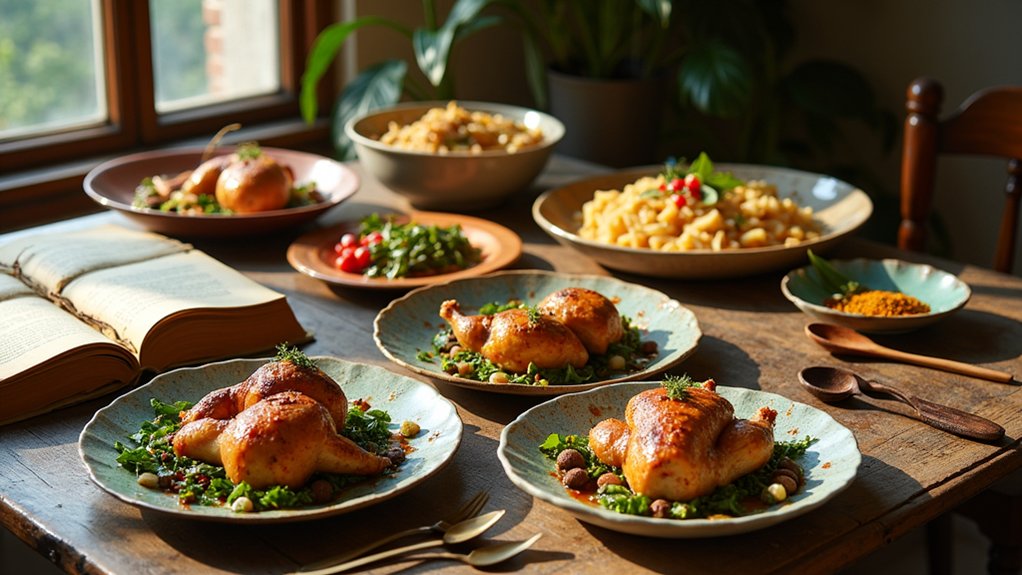
When I first explored the history of PCOS (Polycystic Ovary Syndrome), I was surprised to learn that this condition has been recognized for over a century. Its historical significance lies in how early physicians documented symptoms, paving the way for modern understanding. Various cultural influences shaped perceptions and treatments of PCOS, often reflecting societal norms around women’s health. For instance, in some cultures, symptoms were attributed to imbalances in diet or lifestyle, prompting innovative approaches to management. As research advanced, we began to appreciate the hormonal and metabolic intricacies of PCOS. Today, it’s essential to acknowledge this rich history while pushing for further innovation in treatment options, ensuring we address not just the symptoms but the underlying causes as well.
Recipe
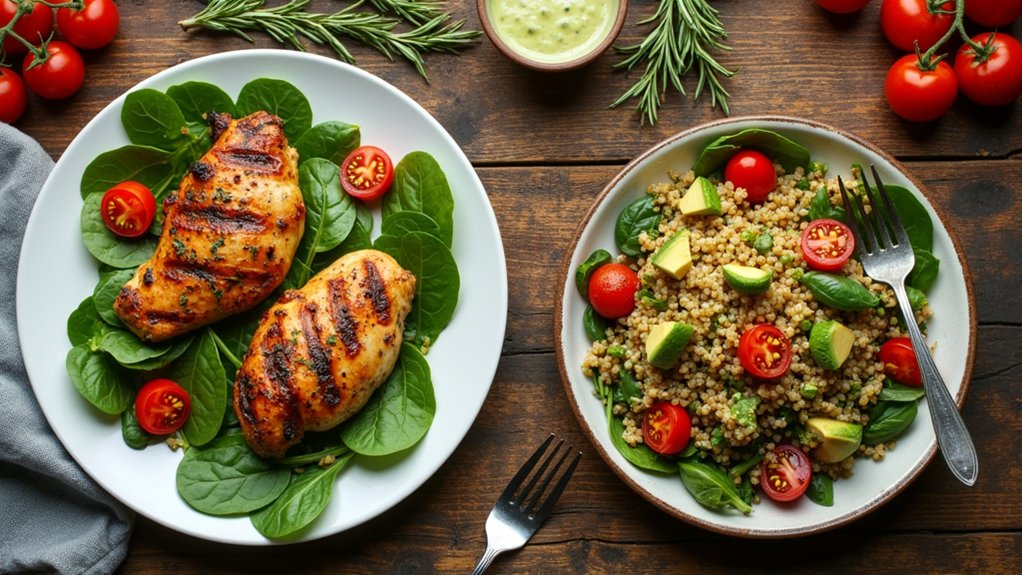
When managing Polycystic Ovary Syndrome (PCOS), it’s important to focus on meals that are nutritious and support hormonal balance. This Lemon Garlic Chicken recipe is not only delicious but also incorporates ingredients that may help maintain stable blood sugar levels. The combination of lean chicken, zesty lemon, and aromatic garlic makes this dish a flavorful choice for anyone looking to enhance their diet in a healthy way.
This recipe is simple and quick, perfect for busy weekdays or meal prep for the week ahead. The chicken is marinated in a garlic and lemon mixture, which helps to tenderize the meat while infusing it with vibrant flavors. Served with a side of steamed vegetables or a fresh salad, this dish is sure to become a staple in your kitchen.
Ingredients:
- 4 boneless, skinless chicken breasts
- 4 cloves of garlic, minced
- Juice of 2 lemons
- Zest of 1 lemon
- 3 tablespoons olive oil
- 1 teaspoon dried oregano
- 1 teaspoon salt
- ½ teaspoon black pepper
- Fresh parsley for garnish (optional)
Cooking Instructions:
In a large bowl, combine the minced garlic, lemon juice, lemon zest, olive oil, oregano, salt, and pepper to create a marinade. Add the chicken breasts to the bowl, ensuring they are well coated in the marinade. Cover and let the chicken marinate in the refrigerator for at least 30 minutes, or up to 2 hours for more flavor. Preheat your oven to 375°F (190°C). Arrange the marinated chicken in a baking dish and bake for 25-30 minutes or until the chicken is cooked through and reaches an internal temperature of 165°F (74°C). Garnish with fresh parsley before serving.
Extra Tips:
To enhance the flavors of this dish, consider letting the chicken marinate overnight in the refrigerator. This additional time allows the flavors to penetrate the chicken more deeply. If you prefer grilling, this recipe works wonderfully on the grill as well—just be sure to keep an eye on the cooking time. Pair this dish with a side of quinoa or brown rice for a complete meal that provides both protein and healthy carbohydrates, making it a great option for those managing PCOS. Enjoy your healthy and delicious Lemon Garlic Chicken!
Cooking Steps
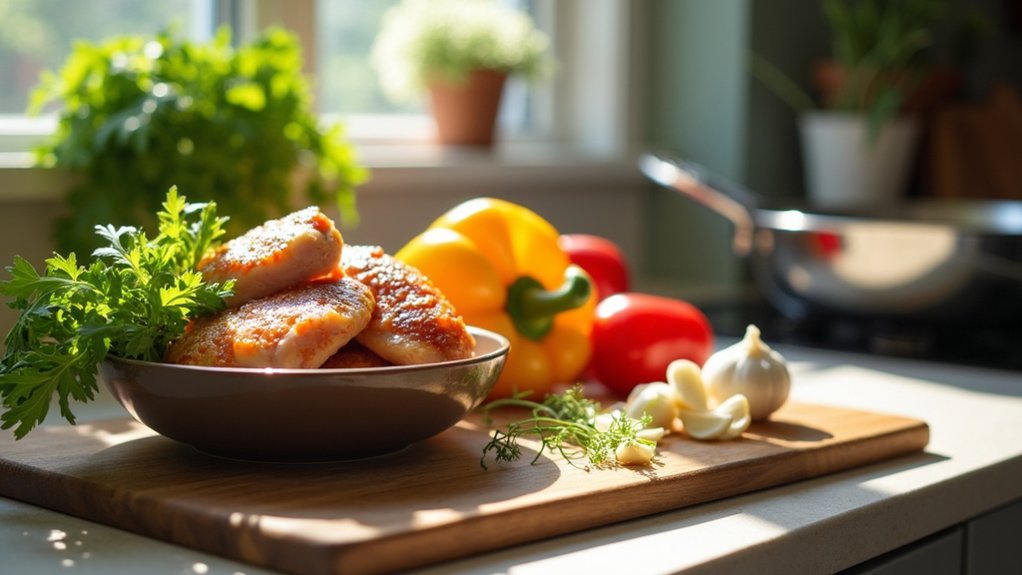
When I prepare chicken for cooking, I focus on marinating it with spices that not only enhance flavor but also align with my dietary needs. After searing the chicken until it’s golden, I bake it to perfection, ensuring it stays juicy. Finally, I always let the chicken rest before serving, which makes a significant difference in taste and texture.
Step 1. Prepare Chicken for Cooking
Preparing chicken for cooking is essential to guarantee both flavor and safety, so I always start by selecting high-quality, fresh chicken from a reliable source. Proper chicken selection not only enhances taste but also confirms that I’m using safe ingredients. Here are a few steps I follow:
- Inspect the chicken: Look for firm, pink flesh with no discoloration or off-putting odors.
- Wash hands and surfaces: Cleanliness prevents cross-contamination and keeps everyone safe.
- Choose cooking techniques: Whether I’m grilling, baking, or sautéing, I verify my method aligns with the chicken cut for peak results.
Step 2. Marinate Chicken With Spices
Marinating chicken with spices not only infuses it with flavor but also enhances its tenderness, making each bite a delight. I often explore various spice blends to create unique flavors that excite my palate. For effective marinating, I use techniques like dry rubs or wet marinades, depending on the dish I’m preparing. A simple mix of olive oil, garlic, and your favorite spices can work wonders. I typically let the chicken marinate for at least 30 minutes, but longer is better for deeper flavor penetration. Remember to balance bold spices with milder ones to achieve harmony. Experimenting with different combinations can lead to innovative dishes that not only satisfy cravings but also align with a balanced diet.
Step 3. Sear Chicken Until Golden
To achieve that perfectly golden crust on your chicken, I start by heating a skillet over medium-high heat until it’s hot enough to sizzle. The right sear techniques can make all the difference, so I guarantee the chicken is dry and well-seasoned before placing it in the pan.
Here are a few tips to get that golden crust:
- Don’t overcrowd the pan: Giving each piece enough space allows for even cooking.
- Leave it alone: I resist the urge to flip the chicken too soon; letting it sear creates that beautiful crust.
- Use the right fat: A high smoke point oil, like avocado or grapeseed, helps achieve that perfect sear without burning.
This method elevates the dish and keeps the chicken juicy inside!
Step 4. Bake Chicken to Perfection
After achieving that golden crust through searing, baking the chicken is the next step to confirm it’s perfectly cooked throughout. I preheat my oven to 375°F, guaranteeing the heat is evenly distributed. Using innovative baking techniques, I place the chicken in a roasting pan, surrounded by vegetables that complement the flavor combinations I’ve chosen—think garlic, rosemary, and lemon. This not only enhances the chicken’s taste but also keeps it moist. I bake it for about 20 minutes per pound, checking for an internal temperature of 165°F. This method ensures the chicken is juicy and bursting with flavor, creating a delightful dish that’s both nutritious and satisfying. Trust me, this approach elevates your chicken game!
Step 5. Rest Chicken Before Serving
Although it might be tempting to slice into that perfectly cooked chicken right away, allowing it to rest is essential for achieving ideal flavor and texture. Resting techniques help the juices redistribute throughout the meat, ensuring every bite is juicy and tender.
Here are some serving suggestions to keep in mind:
- Cover the chicken loosely with foil to maintain warmth while it rests for about 10-15 minutes.
- Use this time to prepare your sides or sauces; a well-timed meal enhances the overall dining experience.
- Try resting the chicken on a cutting board instead of a plate to catch any juices that may flow out.
Nutritional Guide
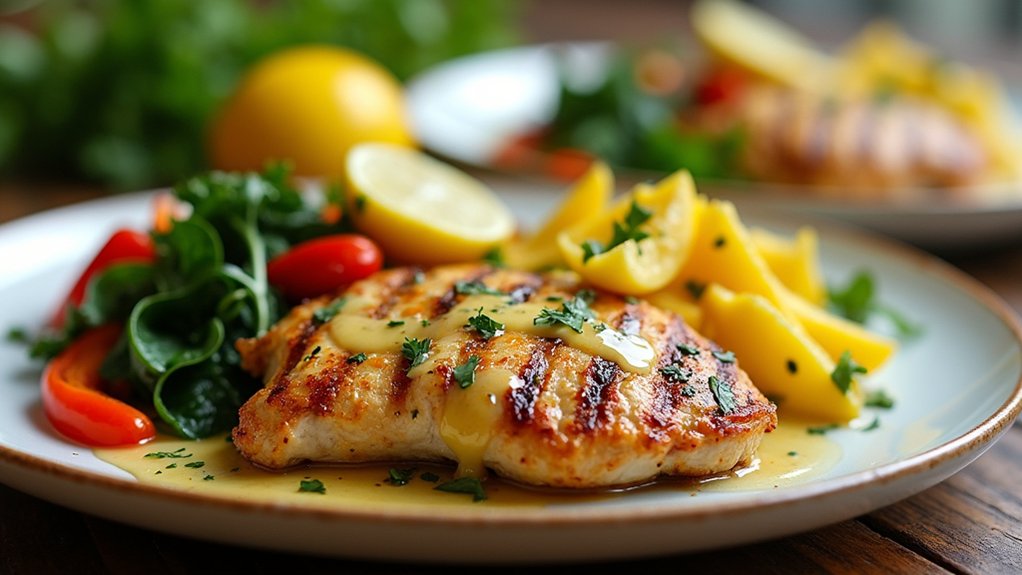
When managing PCOS, understanding nutritional needs is essential for optimizing health and well-being. Focusing on whole foods can greatly improve hormonal balance and overall wellness. Meal planning becomes a powerful tool in this journey, helping to prioritize nutrient-dense options.
Here’s a quick guide to the nutritional benefits of key ingredients:
| Ingredient | Nutritional Benefits |
|---|---|
| Lean Chicken | High protein, low in fat |
| Spinach | Rich in iron and antioxidants |
| Quinoa | Complete protein and fiber |
| Sweet Potatoes | Low glycemic index, rich in vitamins |
Incorporating these foods into your meals can enhance your dietary approach and support your health goals. By understanding their benefits, you’ll be better equipped to make informed choices.
Final Thoughts
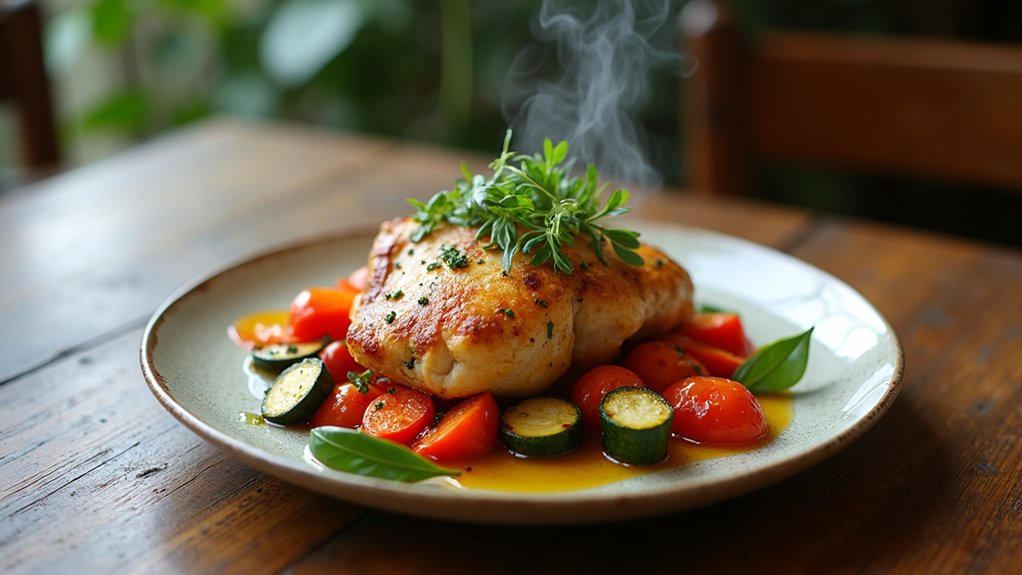
As I reflect on the importance of nutrition in managing PCOS, it’s clear that incorporating healthy, whole-food ingredients can make a significant difference in overall well-being. Meal planning around chicken recipes not only offers versatility but also maximizes health benefits.
Incorporating whole foods and chicken recipes can greatly enhance well-being while managing PCOS effectively.
Here are a few tips to elevate your culinary experience:
- Experiment with spices: They can enhance flavor while offering anti-inflammatory properties.
- Incorporate seasonal veggies: They add nutrients and variety to your meals.
- Batch cook: Preparing meals in advance can save time and help maintain your dietary goals.
Frequently Asked Questions
What Is PCOS and How Does It Affect Diet?
PCOS is a hormonal imbalance causing symptoms like irregular periods and insulin resistance. I’ve found that following dietary guidelines focusing on whole foods helps manage these symptoms and supports overall health. It’s all about balance!
Can I Use Frozen Chicken for These Recipes?
Absolutely, I can use frozen chicken for these recipes! Just remember to thaw it properly. For cooking tips, consider marinating or seasoning it while it’s still frozen for maximum flavor during cooking.
Are There Vegetarian Alternatives to Chicken in These Recipes?
I love using tofu substitutes, seitan options, or even exploring chickpea dishes and lentil meals. They add great texture and flavor, making your meals innovative and satisfying without sacrificing nutritional value or taste.
How Can I Store Leftovers From These Recipes?
I store leftovers in airtight containers to preserve freshness. Glass or BPA-free plastic options work great. Label them with dates, and try to consume within three days for ideal taste and safety. Happy cooking!
What Kitchen Tools Are Essential for Cooking These Recipes?
For cooking, I find essential kitchen tools like a sharp chef’s knife, non-stick skillet, and sturdy cutting board indispensable. Quality cooking utensils elevate my meal prep, making it efficient and enjoyable while delivering delicious results every time.
Conclusion
Incorporating chicken into your diet can be a game-changer for managing PCOS, offering a protein-packed alternative that supports hormonal balance. As I’ve discovered, the right recipes can transform simple ingredients into nourishing meals that delight the palate. While maneuvering through PCOS can feel overwhelming, finding joy in cooking and making healthier choices can create a beautiful contrast to the challenges. Embracing these chicken recipes can empower us to take charge of our health, one delicious bite at a time.